
uSeminary Resources
A growing library of Christ-centered resources for pastors, teachers, worship leaders, and everyday believers — covering Bible, theology, leadership, music and arts, and neighborhood Bible studies. Go deeper in your faith and your calling.
Find the resource you need
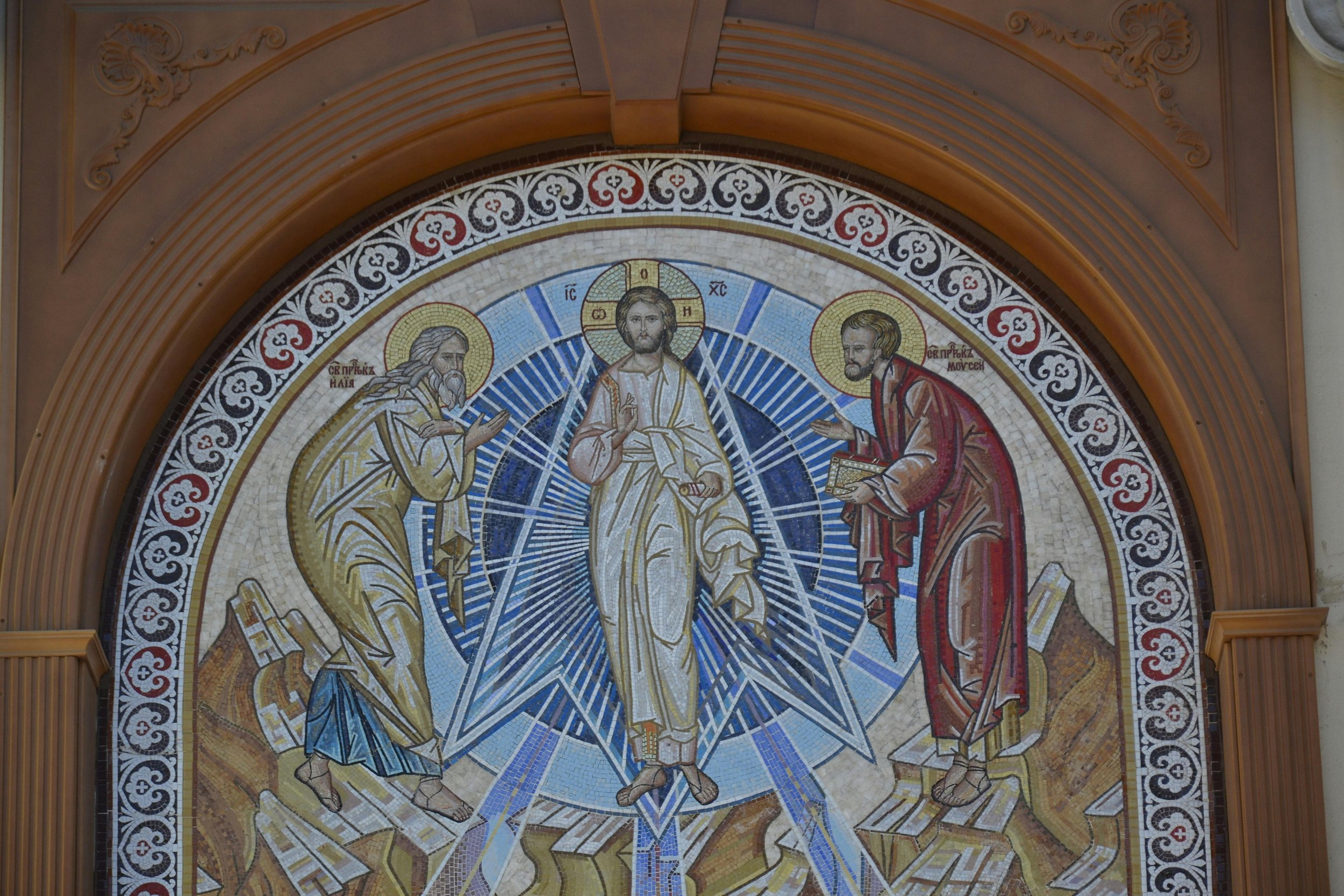
The Trinity in Scripture
The word Trinity is not fully explained in the Bible, and Scripture does not clearly spell out the differences between the Father, the Son, and the Holy Spirit. Yet, the idea of God as three-in-one is present throughout.
The Sense of Awe in Scripture
When people in the Bible encounter God in his glory—holy, majestic, and lifted up—they are filled with awe. They lose all sense of themselves in the overwhelming presence of God.
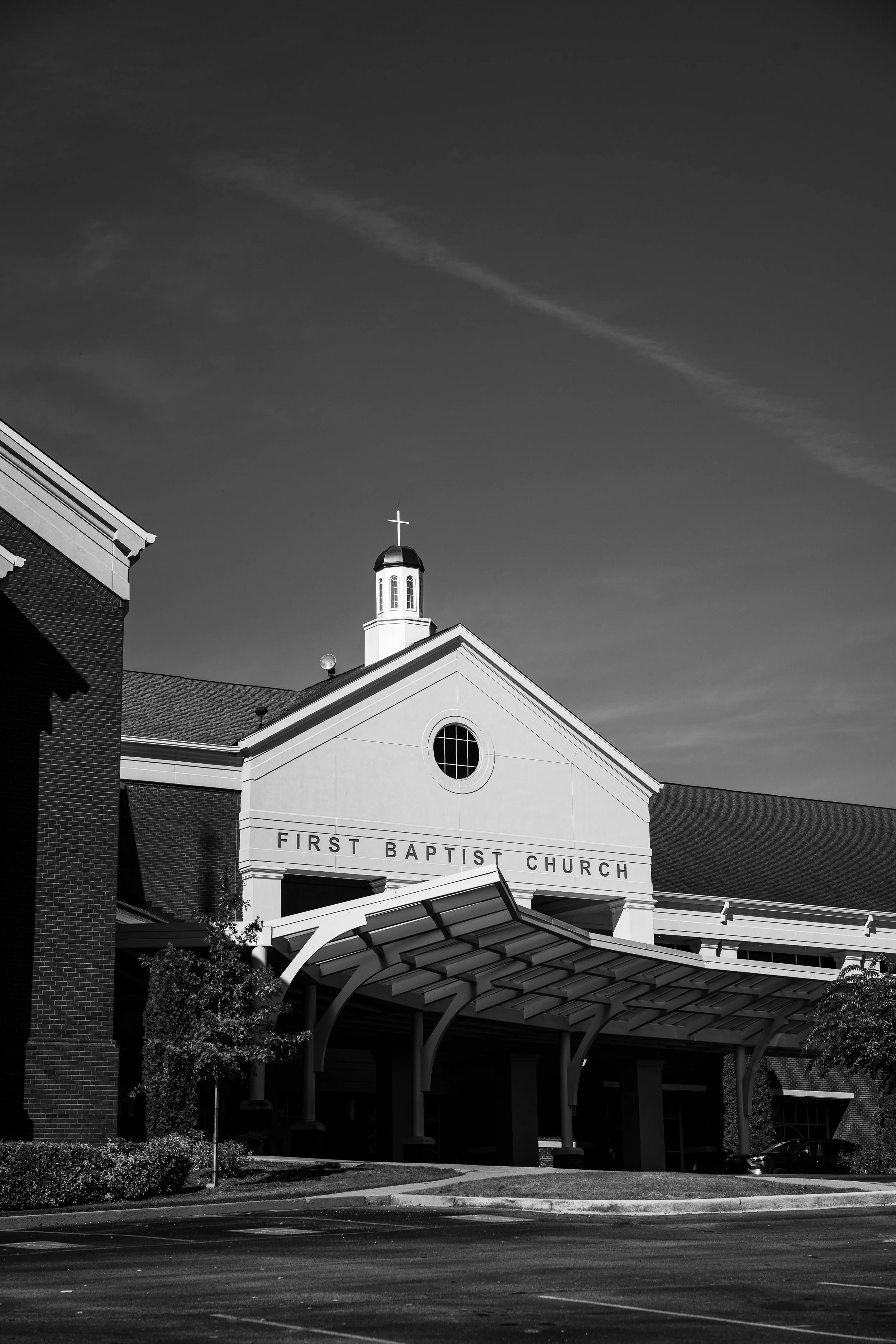
Biblical Background of the Lord’s Day
From New Testament times, the church met for worship on the first day of the week, the day of Jesus’ resurrection. The Lord’s Day absorbed features of the Jewish Sabbath but also differs in important ways. It is a day that encompasses the meaning of all Christian festivals.
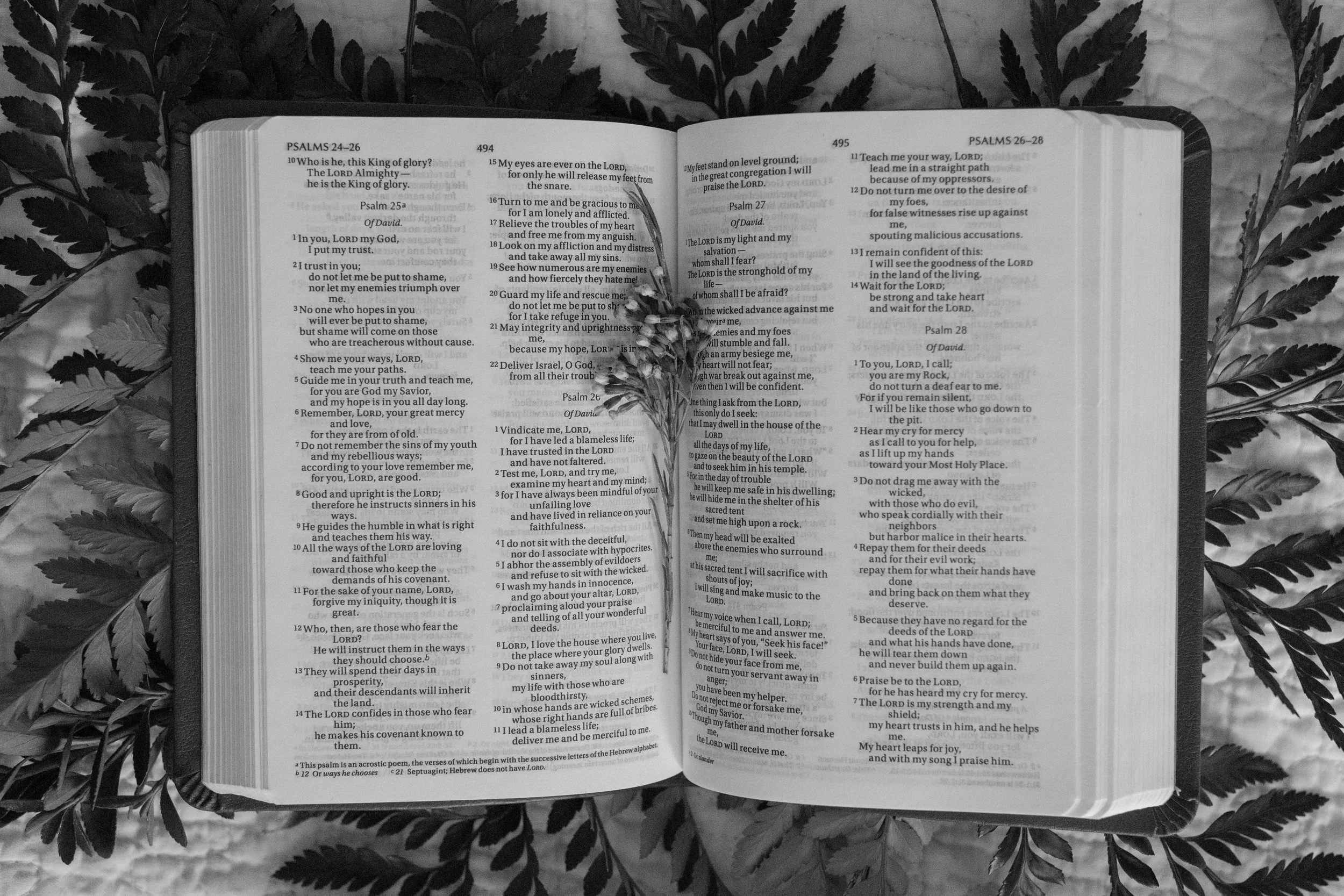
Why the Psalms Still Matter
The book of Psalms—called Tehillim in Hebrew, meaning “Praises”—is one of the most important parts of the Bible. In the Hebrew Bible, it’s found in the section called the “Writings,” which comes after the Law (Torah) and the Prophets. Interestingly, Psalms is one of the top three Old Testament books quoted in the New Testament, along with Deuteronomy and Isaiah. That’s because the early Christians, including Jesus himself, saw the Psalms as pointing ahead to the coming of Christ. After His resurrection, Jesus told His followers that everything written about Him in the Law, the Prophets, and the Psalms had to come true (see Luke 24:44).