
uSeminary Resources
A growing library of Christ-centered resources for pastors, teachers, worship leaders, and everyday believers — covering Bible, theology, leadership, music and arts, and neighborhood Bible studies. Go deeper in your faith and your calling.
Find the resource you need

The Role of Music and Arts in Evangelism and Reaching Postmodern Audiences
The arts have long held a significant place in the history of the Church. From the Psalms of David to the stained-glass windows of Gothic cathedrals, music and visual expression have been central to how God’s people have worshiped, taught, and proclaimed the Gospel. In the twenty-first century, the challenge of reaching postmodern audiences—those shaped by skepticism of absolute truth, the prioritization of experience, and the fragmentation of culture—requires a reexamination of how music and the arts can serve as powerful vehicles of evangelism. While the message of the gospel remains unchanged, the mediums through which it is communicated can be adapted to engage hearts and minds within contemporary contexts.
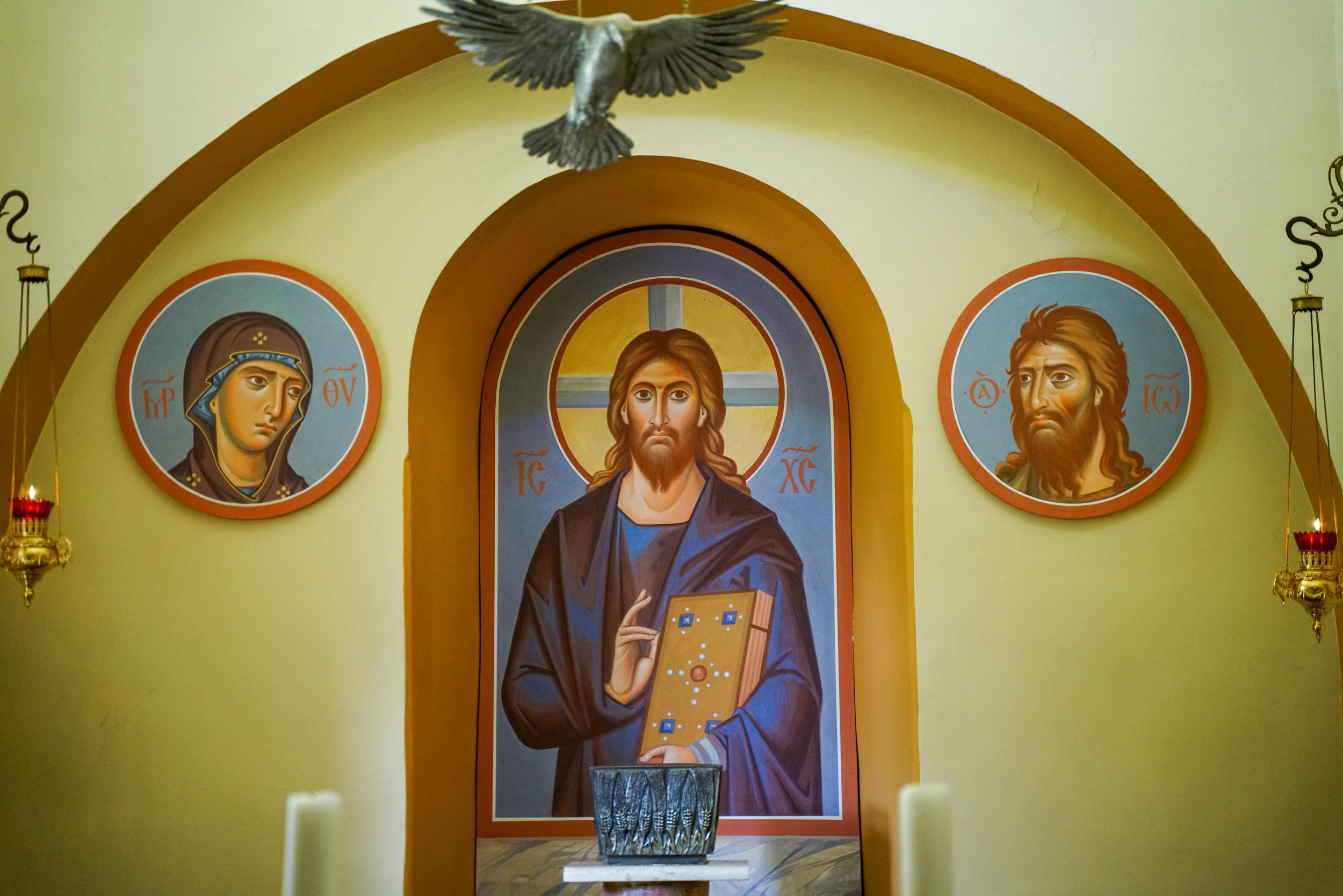
Visual Arts and Biblical Narrative: Conveying Scripture Through Christian Art
From the earliest cave drawings to the cathedrals of Europe, humanity has sought to communicate transcendent truths through images. For Christians, art has never been merely decoration; it has functioned as a window into the story of God’s redemption. While the Reformation raised necessary questions about the misuse of images, the visual arts remain a vital means of conveying the biblical narrative. When rightly understood and practiced, Christian art complements the preached Word, stirring the imagination, shaping affections, and directing attention to Christ.
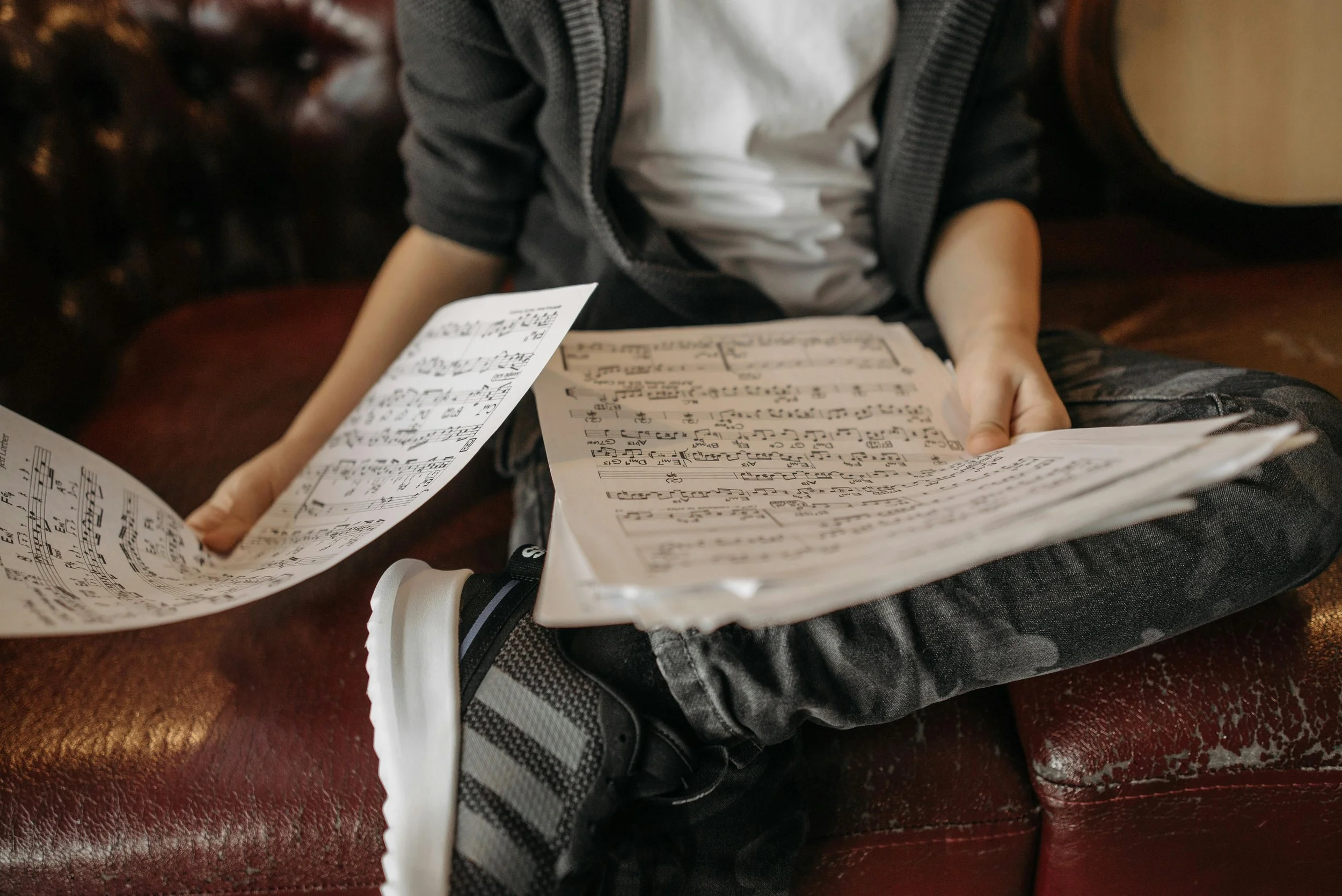
Music as a Tool for Spiritual Formation and Discipleship
From the earliest pages of Scripture to the worshiping Church today, music has been more than mere art or entertainment—it has served as a powerful means of shaping the believer’s heart, mind, and soul toward God. Music touches both intellect and emotion, combining truth with beauty in a way that penetrates deeply into the human experience. For this reason, the Church has long recognized music as an indispensable tool in spiritual formation and discipleship.
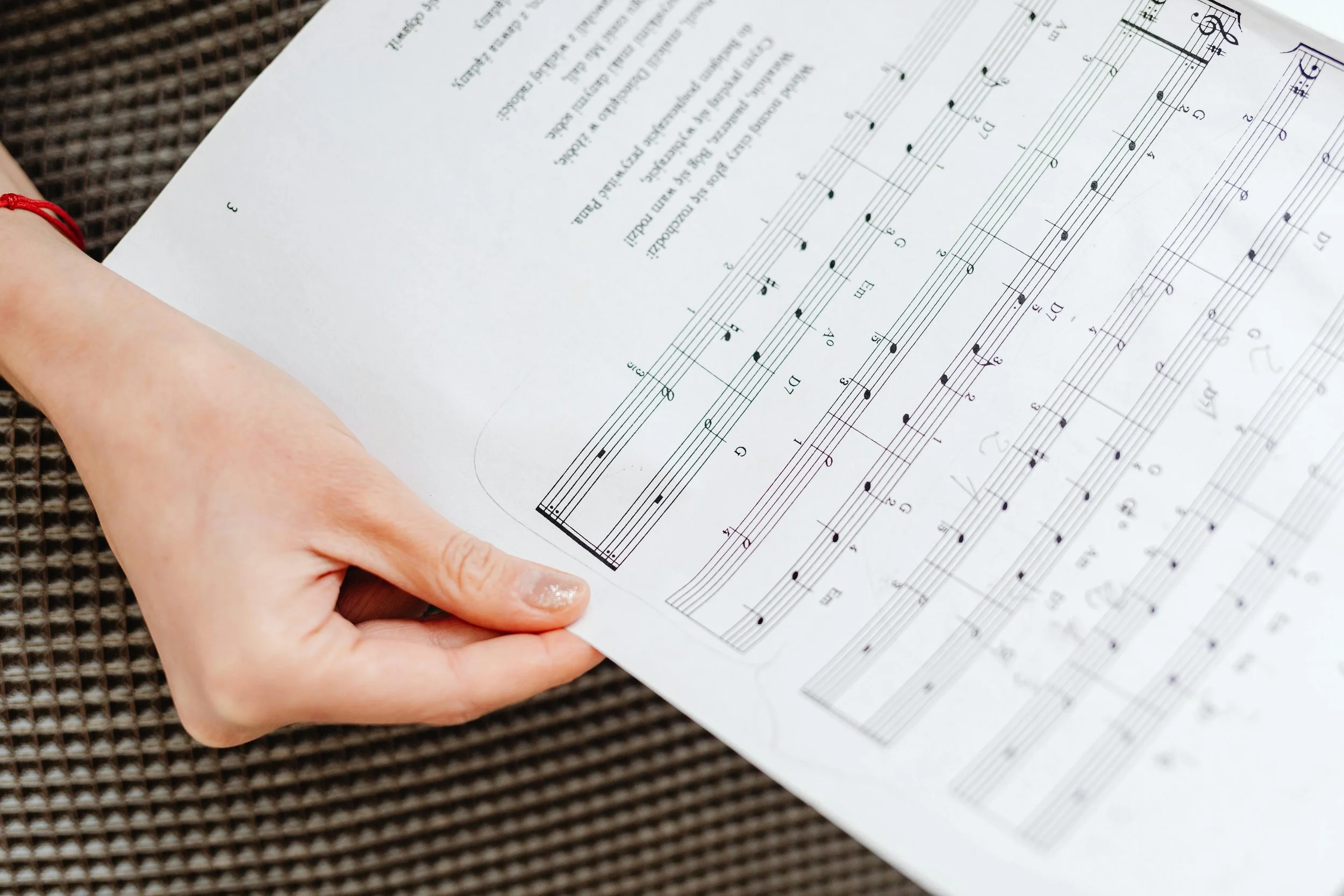
Why the Early Church Sang—and Why We Still Do
From the very beginning, Christians have responded to Jesus with music. Some of the most powerful songs in Christian history—like the Magnificat (Mary’s song), Benedictus (Zechariah’s song), Gloria (the angels’ song), and Nunc Dimittis (Simeon’s song)—are found in the first chapters of the Gospel of Luke. These songs, written in a poetic, psalm-like style, have been part of church worship for centuries and are still sung today.