
uSeminary Resources
A growing library of Christ-centered resources for pastors, teachers, worship leaders, and everyday believers — covering Bible, theology, leadership, music and arts, and neighborhood Bible studies. Go deeper in your faith and your calling.
Find the resource you need

The Church’s Mission: Biblical Foundations for Evangelism and Discipleship
The Church of Jesus Christ exists not merely as a gathering of redeemed individuals but as God’s chosen instrument for advancing His kingdom in the world. From the earliest pages of Scripture to the closing vision of Revelation, God’s mission has been to redeem a people for Himself from every tribe, tongue, and nation. That mission is carried out through the Church’s twin responsibilities of evangelism and discipleship. Evangelism declares the good news of salvation through Jesus Christ; discipleship nurtures believers to maturity in Him.

The Authority of Scripture: Inspiration, Inerrancy, and Application
The authority of Scripture is the foundation upon which the Christian faith rests. Every doctrine, every ethical standard, and every aspect of the believer’s life finds its meaning and measure in God’s Word. Without a clear conviction regarding the inspiration and inerrancy of Scripture, the Church drifts into relativism and human opinion. Conversely, when Christians submit to Scripture as God’s authoritative revelation, they discover not only truth but also the path to faithful obedience.

Eschatology: Perspectives on the Second Coming and Last Things
Eschatology, the study of the “last things,” is a central theme in Christian theology, for it directs the Church’s hope toward the consummation of God’s redemptive plan. The Bible consistently testifies that history is moving toward a climactic fulfillment in the return of Jesus Christ, the resurrection of the dead, the final judgment, and the establishment of God’s eternal Kingdom. While Christians may differ on the precise sequence of end-time events, all orthodox perspectives affirm that Christ will come again in glory to bring about the new heavens and the new earth.

What the New Covenant Means for Us: How Jesus Changes Everything
In the New Testament, the word “covenant” doesn’t always show up directly, but it’s everywhere when we look at how the Bible talks about our relationship with God. Instead of only using the word “covenant,” the writers describe this relationship using powerful images. The most important one is the “Kingdom of God,” which was the main thing Jesus preached about. This Kingdom includes all who follow Him, and the Bible also calls them things like God’s temple, Christ’s body, the city of God, and God’s family. These are all different ways of saying, “You belong to God now.”

The Role of Music and Arts in Evangelism and Reaching Postmodern Audiences
The arts have long held a significant place in the history of the Church. From the Psalms of David to the stained-glass windows of Gothic cathedrals, music and visual expression have been central to how God’s people have worshiped, taught, and proclaimed the Gospel. In the twenty-first century, the challenge of reaching postmodern audiences—those shaped by skepticism of absolute truth, the prioritization of experience, and the fragmentation of culture—requires a reexamination of how music and the arts can serve as powerful vehicles of evangelism. While the message of the gospel remains unchanged, the mediums through which it is communicated can be adapted to engage hearts and minds within contemporary contexts.
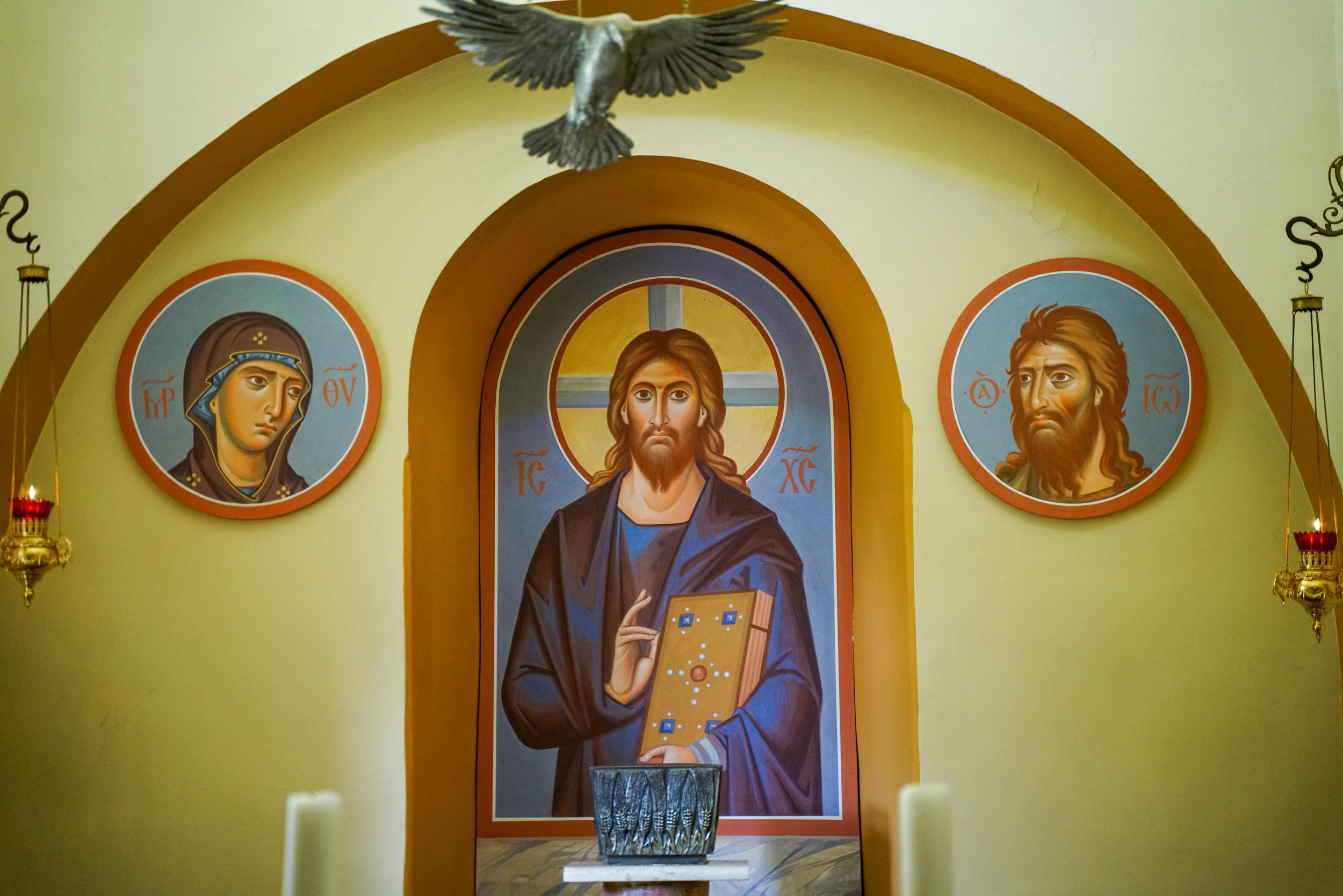
Visual Arts and Biblical Narrative: Conveying Scripture Through Christian Art
From the earliest cave drawings to the cathedrals of Europe, humanity has sought to communicate transcendent truths through images. For Christians, art has never been merely decoration; it has functioned as a window into the story of God’s redemption. While the Reformation raised necessary questions about the misuse of images, the visual arts remain a vital means of conveying the biblical narrative. When rightly understood and practiced, Christian art complements the preached Word, stirring the imagination, shaping affections, and directing attention to Christ.

Music as a Tool for Spiritual Formation and Discipleship
From the earliest pages of Scripture to the worshiping Church today, music has been more than mere art or entertainment—it has served as a powerful means of shaping the believer’s heart, mind, and soul toward God. Music touches both intellect and emotion, combining truth with beauty in a way that penetrates deeply into the human experience. For this reason, the Church has long recognized music as an indispensable tool in spiritual formation and discipleship.
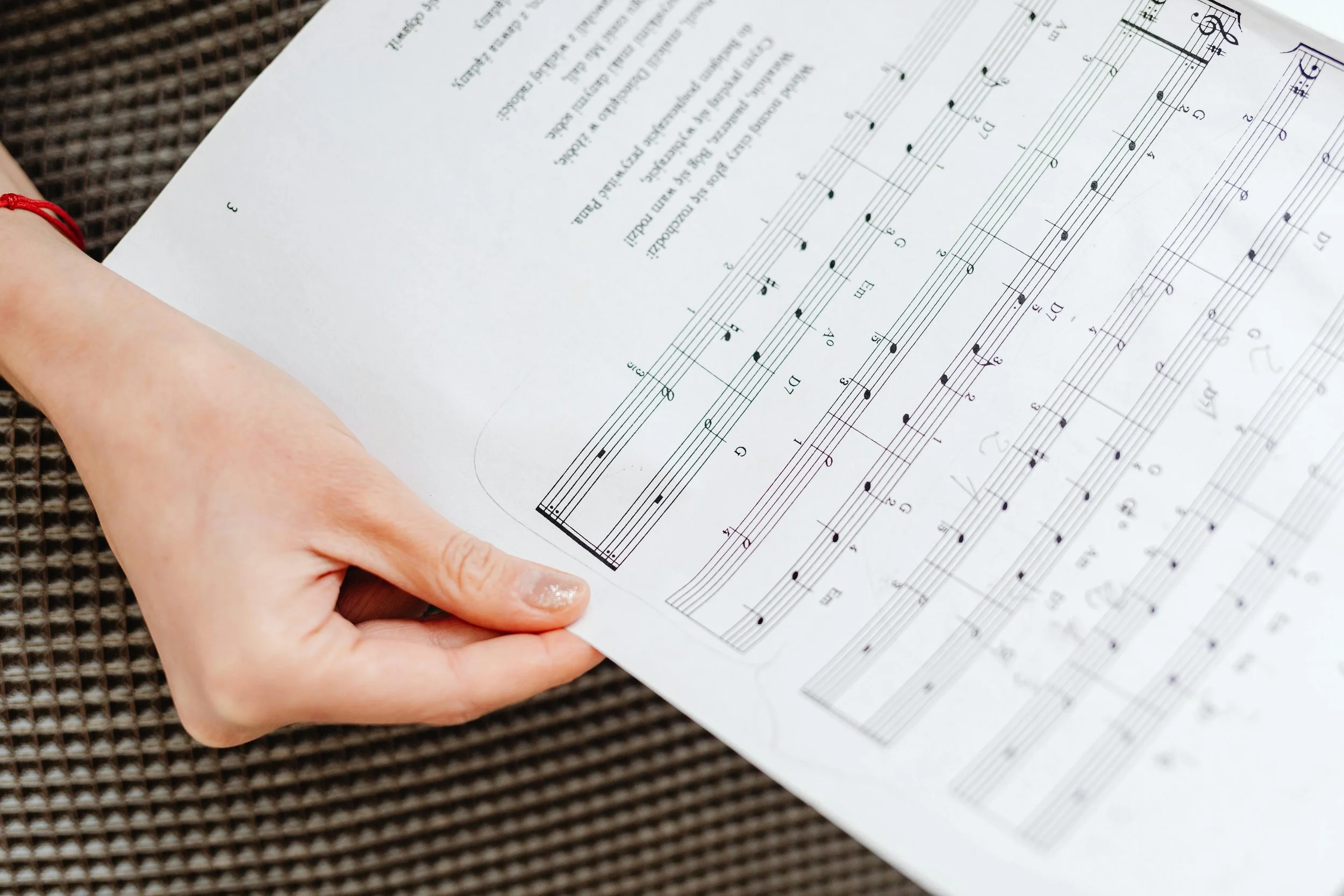
Why the Early Church Sang—and Why We Still Do
From the very beginning, Christians have responded to Jesus with music. Some of the most powerful songs in Christian history—like the Magnificat (Mary’s song), Benedictus (Zechariah’s song), Gloria (the angels’ song), and Nunc Dimittis (Simeon’s song)—are found in the first chapters of the Gospel of Luke. These songs, written in a poetic, psalm-like style, have been part of church worship for centuries and are still sung today.

Technology and Innovation: Leveraging Technology to Improve Operations, Enhance Communication, and Support Program Delivery in Christian Nonprofits
In today’s digital age, technology is not just a tool but a transformative force that can significantly elevate the mission of Christian nonprofits. With the right strategies, technology can streamline operations, increase effective communication, and enhance program delivery, ultimately allowing ministries to serve communities more effectively and fulfill their mission more efficiently.

Strengthening Your Mission: The Power of Partnerships and Collaboration
In today’s interconnected world, Christian nonprofits face both unprecedented opportunities and challenges in fulfilling their missions. Among the most effective strategies for amplifying your impact is the cultivation of strong partnerships and collaboration with other ministries, businesses, and community groups. By engaging in these partnerships, Christian nonprofits can enhance resource sharing, broaden their reach, and increase their ability to serve others in alignment with their core values.

Stewarding Gifts with Integrity: Mastering Fund Accounting in Christian Nonprofits
Effective financial stewardship is crucial for any nonprofit organization, but it holds particular significance for Christian nonprofits whose missions are guided by principles of faith, trust, and accountability. One critical aspect of financial management is fund accounting, which involves managing and reporting on different funds while ensuring that donations are allocated and used according to donor restrictions. Mastery of fund accounting not only upholds the integrity of the organization but also strengthens donor confidence and supports long-term sustainability.

Securing the Future: Strategic Planning for Sustainability and Growth in Christian Nonprofits
Increasingly Christian nonprofits are called to not only address immediate needs but also to ensure that their missions endure over time. Achieving sustainability and growth is essential for organizations that want to have a lasting impact. Key strategies for this include diversifying funding sources and investing in capacity building. By effectively planning for the long term, nonprofits can strengthen their foundations, increase their resilience, and expand their ministries.
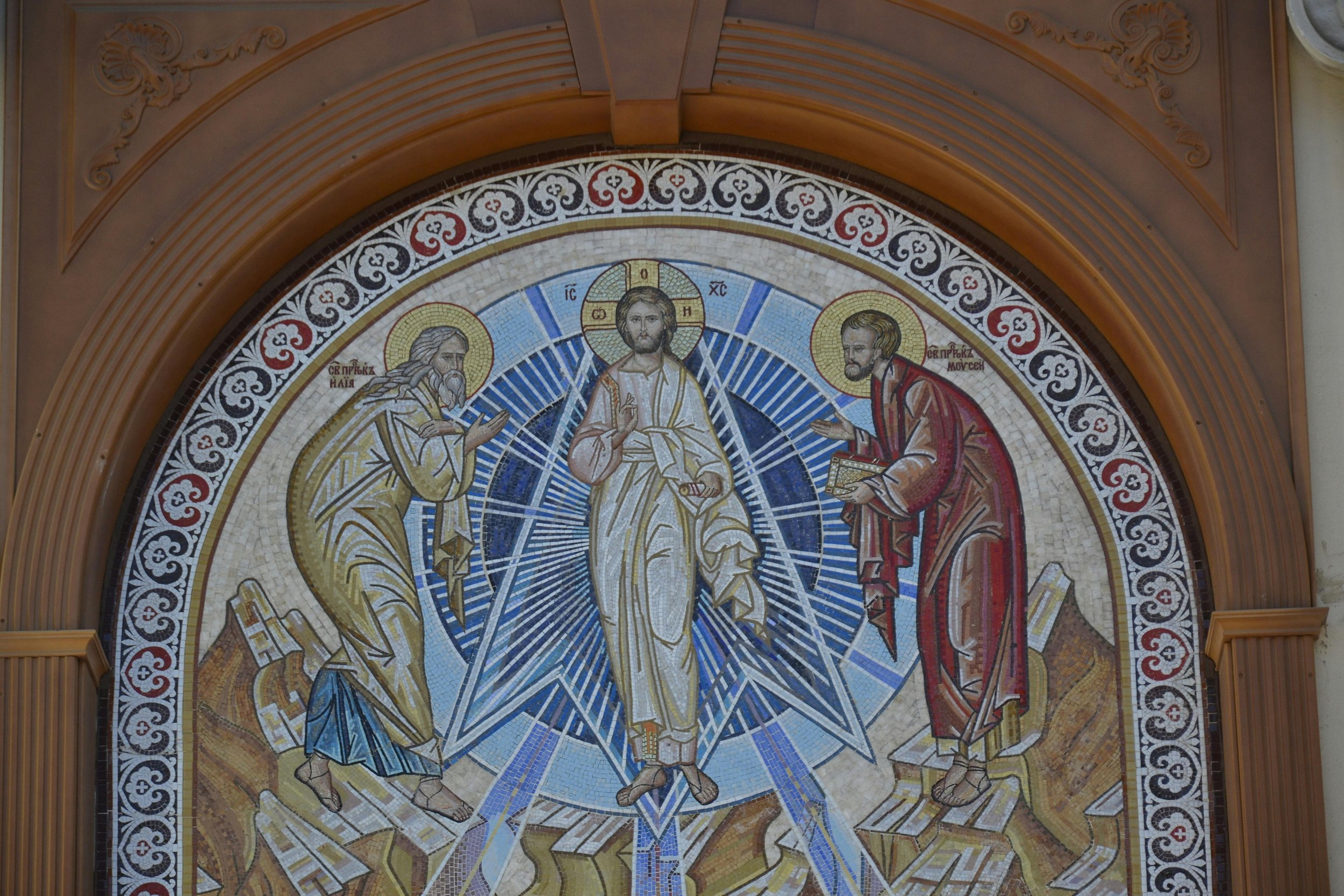
The Trinity in Scripture
The word Trinity is not fully explained in the Bible, and Scripture does not clearly spell out the differences between the Father, the Son, and the Holy Spirit. Yet, the idea of God as three-in-one is present throughout.

The Sense of Awe in Scripture
When people in the Bible encounter God in his glory—holy, majestic, and lifted up—they are filled with awe. They lose all sense of themselves in the overwhelming presence of God.
Biblical Background of the Lord’s Day
From New Testament times, the church met for worship on the first day of the week, the day of Jesus’ resurrection. The Lord’s Day absorbed features of the Jewish Sabbath but also differs in important ways. It is a day that encompasses the meaning of all Christian festivals.
Why the Psalms Still Matter
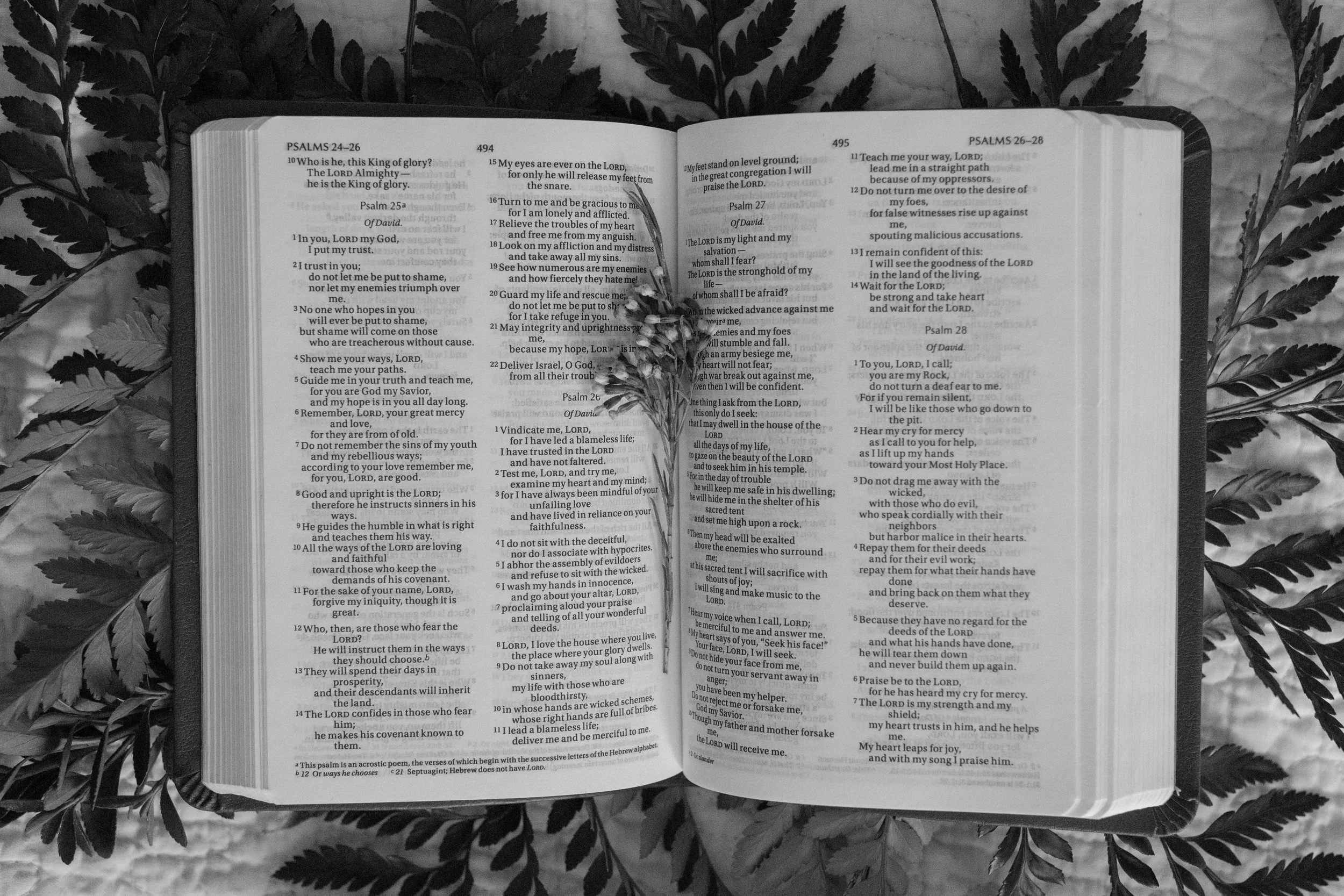
The book of Psalms—called Tehillim in Hebrew, meaning “Praises”—is one of the most important parts of the Bible. In the Hebrew Bible, it’s found in the section called the “Writings,” which comes after the Law (Torah) and the Prophets. Interestingly, Psalms is one of the top three Old Testament books quoted in the New Testament, along with Deuteronomy and Isaiah. That’s because the early Christians, including Jesus himself, saw the Psalms as pointing ahead to the coming of Christ. After His resurrection, Jesus told His followers that everything written about Him in the Law, the Prophets, and the Psalms had to come true (see Luke 24:44).

The Essence of Worship
While people may attempt to categorize worship as public or personal (corporate or private), all worship is personal. Musicians may lead a congregation in corporate praise but, that which goes on in the heart–communication between God and the worshiper–can only be experienced personally. And every person’s worship experience is different. This is because worship is experienced in the heart.
Dr. Kenneth Taylor: The Man Who Brought the Bible Home
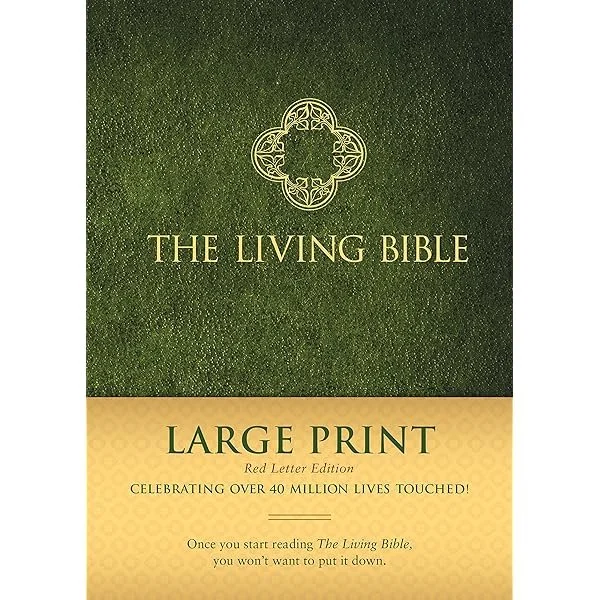
I began my career in Christian publishing more than 30 years ago at Tyndale House Publishers in Carol Stream, Illinois. At the time, I was a graduate student at Wheaton College—newly married and searching for part-time work. I was pursuing an M.A. in Christian History, with plans to earn a doctorate and eventually teach at the college level. But it didn’t take long for me to fall in love with the world of book publishing. After completing my studies, along with a second M.A. in Communication Theory, I made the decision to devote myself fully to publishing.