
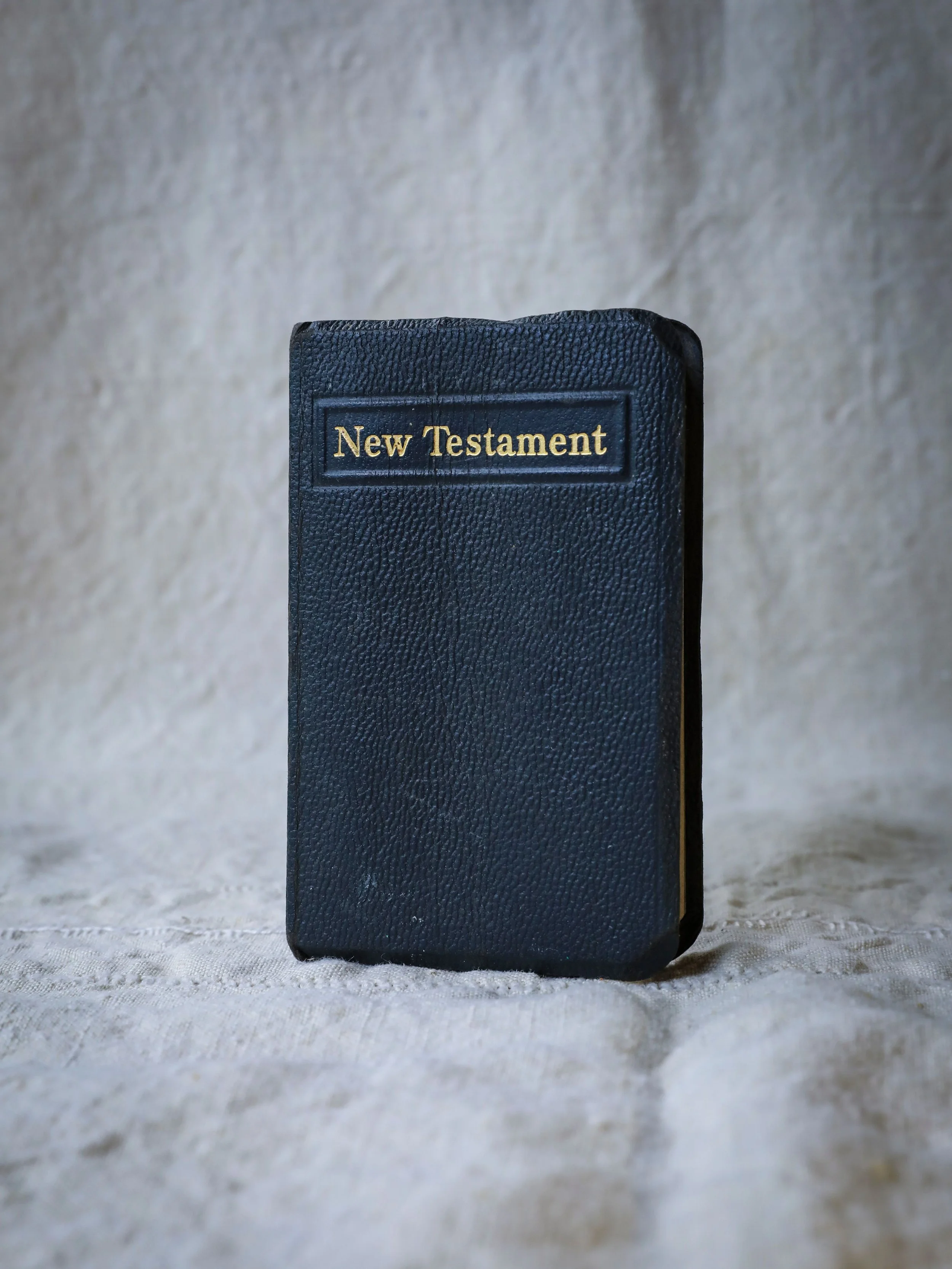
Understanding the New Testament
Seeing God’s Story Fulfilled in Jesus Christ and His Church
Understanding the New Testament introduces students to the twenty-seven books that proclaim Jesus Christ as the fulfillment of God’s redemptive story and trace the growth, theology, mission, and hope of the early church. The course helps learners read the Gospels, Acts, the epistles, and Revelation with attention to their historical setting, literary form, Old Testament background, and shared witness to the crucified and risen Christ.
Rather than treating the New Testament as a collection of isolated doctrines or inspirational passages, the course follows the developing story from Jesus’s ministry through the mission of the apostles and the life of the first Christian communities. It also introduces major interpretive questions while keeping secondary debates from overshadowing the central message of the text.
-
This course is for pastors, ministry leaders, Bible teachers, small-group leaders, lay leaders, ministry volunteers, and Christians who want a stronger foundation for reading and teaching the New Testament. It is especially helpful for learners who want an accessible survey that combines biblical theology, historical context, literary awareness, and practical implications for discipleship and ministry.
-
The course is organized into five lessons that move through the major sections of the New Testament in canonical sequence. Each lesson combines close attention to Scripture with historical and literary background, theological reflection, selected scholarly insight, and practical application, allowing students to see both the distinctive contribution of each biblical book and its place within the larger New Testament witness.
-
Students who complete the course receive a Certificate of Completion recognizing their study of New Testament structure, theology, interpretation, discipleship, and mission. The certificate provides a record of focused biblical study that can support personal development, church-based training, or continuing ministry education.
-
This course goes beyond memorizing New Testament facts, outlines, and timelines. It teaches students to read each book according to its literary form and first-century setting while tracing the larger biblical story that reaches fulfillment in Jesus Christ and continues through the Spirit-empowered mission of the church.
The course is intentionally evangelical in its approach, treating the New Testament as inspired and authoritative Christian Scripture while acknowledging that faithful interpreters sometimes disagree on secondary questions such as chronology, authorship, church order, spiritual gifts, and eschatology. This gives students a framework that combines conviction with interpretive humility.
-
How the Gospels, Acts, the epistles, and Revelation contribute distinctively to the New Testament canon.
How Matthew, Mark, Luke, and John present complementary portraits of the person, ministry, death, and resurrection of Jesus Christ.
How the gospel moved from Jerusalem into the wider Roman world and why Gentile inclusion became a major theological issue for the early church.
How Paul’s letters develop themes such as justification, union with Christ, the work of the Holy Spirit, the church, Christian ethics, and future hope.
How Hebrews and the General Epistles address perseverance, holiness, wisdom, truth, love, suffering, and faithful Christian conduct.
How to read Revelation with attention to its apocalyptic form, first-century setting, Old Testament imagery, and proclamation of Christ’s final victory.
How the New Testament receives and develops Old Testament promises, patterns, institutions, and hopes.
How to apply New Testament teaching responsibly to Christian discipleship, ethics, community life, ministry, and mission.
Course Lessons
-
Explore the distinctive emphases of Matthew, Mark, Luke, and John while seeing how all four Gospels converge on the identity, ministry, death, and resurrection of Jesus Christ. The lesson shows how Israel’s story, discipleship, the kingdom of God, the cross, the Spirit, and belief shape the church’s fourfold witness to Jesus.
-
Follow the gospel from Jerusalem through Judea and Samaria and into the wider Roman world as the Holy Spirit empowers the church’s witness. Particular attention is given to Pentecost, persecution, Gentile inclusion, the Jerusalem Council, Paul’s missionary work, leadership, and the challenges of building a multiethnic Christian community.
-
Study Paul’s letters as pastoral documents in which theology addresses real churches, conflicts, relationships, and ministry challenges. The lesson traces major Pauline themes including justification, union with Christ, life in the Spirit, Christian community, holiness, leadership, freedom, suffering, and hope.
-
Examine Hebrews, James, 1 and 2 Peter, the letters of John, and Jude as they call Christians to perseverance, holiness, wisdom, doctrinal faithfulness, embodied love, and hope under pressure. The lesson highlights the sufficiency of Christ, the relationship between faith and works, faithful witness in suffering, and the need to hold truth and mercy together.
-
Learn to read Revelation as apocalypse, prophecy, and pastoral letter rather than as a detached timetable of future events. The lesson explores its Old Testament imagery, visions of worship and conflict, the pressure of empire and compromise, final judgment, Christ’s victory, and the hope of new creation.