Worship by Design
Creating Thoughtful and Engaging Worship Services
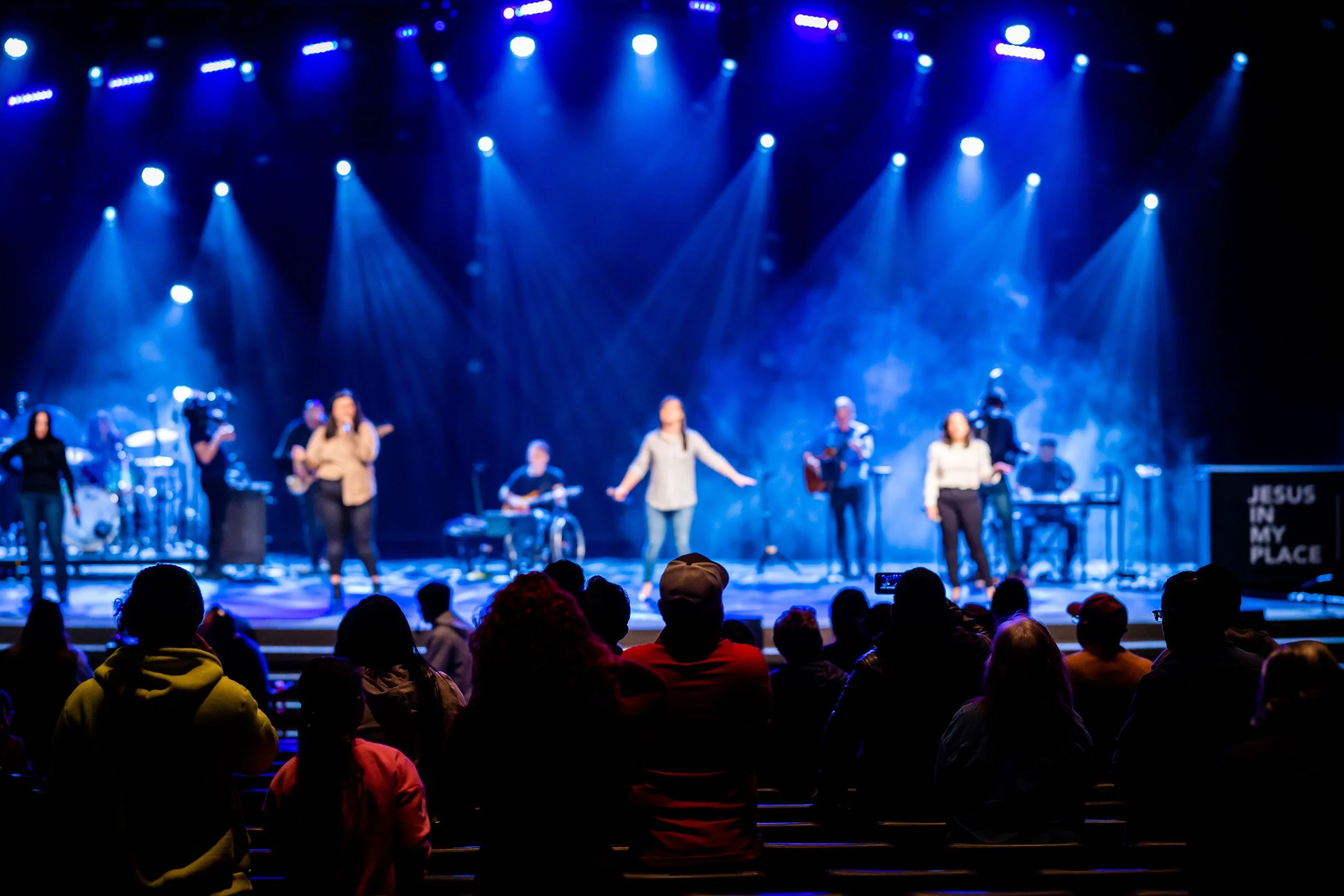
Worship leadership is more than selecting songs and leading music. It is a pastoral, theological, and collaborative calling that shapes how the gathered church encounters God, understands the gospel, and responds in faith. Every song, Scripture reading, prayer, transition, and moment of response contributes to the spiritual formation of the congregation. For this reason, meaningful worship services require both careful preparation and attentiveness to the work of the Holy Spirit.
Worship by Design equips worship leaders with the theological perspective and practical skills needed to plan and lead biblically grounded, cohesive, and engaging worship gatherings. Students explore the role of the worship leader as a spiritual servant and pastoral guide while learning how to design services that integrate Scripture, music, prayer, proclamation, and response around a clear theological purpose.
Across six lessons, the course moves from the calling of worship leadership to the practical work of service planning, flow and pacing, rehearsal leadership, congregational engagement, and collaboration with pastors and church leaders. Students learn to view planning not simply as organization, but as an act of pastoral care that removes unnecessary distractions and creates space for the church to participate fully in worship.
Ultimately, Worship by Design presents worship leadership as the integration of spiritual discernment, pastoral awareness, thoughtful structure, artistic expression, and collaborative ministry. The goal is not simply to produce well-organized services, but to help create gatherings where the gospel is clearly proclaimed and God's people are invited to respond together with faith, gratitude, reverence, and praise.
-
This course is designed for worship leaders, worship pastors, music directors, musicians, ministry students, and church volunteers who participate in planning or leading congregational worship. It is particularly valuable for emerging worship leaders who want a stronger framework for understanding the theological and pastoral dimensions of their role, as well as experienced leaders seeking to strengthen service planning, team leadership, congregational participation, and collaboration with pastoral staff.
No formal degree in music or theology is required. The course is accessible to those serving in churches of varying sizes and worship traditions who want to lead with greater intentionality, clarity, and pastoral sensitivity.
-
This self-paced online course consists of six comprehensive lessons combining biblical and theological reflection with practical applications for worship ministry. Students explore key principles through readings, Scripture, insights from respected worship scholars and ministry practitioners, reflection exercises, and lesson assessments.
Throughout the course, students are encouraged to evaluate their own ministry context and consider how the principles presented can strengthen the worship life of their local church. The course is structured to move from theological understanding to practical application, helping students translate what they learn into more thoughtful service planning and effective worship leadership.
-
Students who successfully complete all six lessons and required course assessments will receive a Certificate of Completion. The certificate recognizes focused study in worship leadership, service planning, congregational engagement, rehearsal leadership, and collaborative ministry within the local church.
-
Many worship leadership courses focus primarily on music, performance, or the mechanics of planning a setlist. Worship by Design takes a broader approach by treating the entire worship gathering as an integrated act of Christian formation and congregational response.
Students learn to think beyond individual songs and consider how Scripture, prayer, music, preaching, transitions, pacing, and other elements work together to communicate a coherent theological message. The course approaches service planning as a form of pastoral care, recognizing that thoughtful preparation can help remove barriers to participation and guide people through praise, confession, proclamation, reflection, and response.
The course also emphasizes that worship ministry is inherently collaborative. Effective worship leaders do not work in isolation. They cultivate healthy relationships with pastors, musicians, ministry teams, and church leadership so that the worshiping life of the congregation reflects a shared theological vision and supports the broader mission of the church.
-
By the end of this course, you will be able to:
Explain the spiritual, pastoral, and theological responsibilities of the worship leader.
Understand how worship leadership contributes to congregational participation and spiritual formation.
Apply biblical and theological principles to the planning of worship gatherings.
Design cohesive services that integrate Scripture, music, prayer, proclamation, and response.
Recognize and apply a gospel-shaped movement to worship planning.
Develop effective flow, transitions, and pacing that support congregational engagement.
Use musical and verbal transitions to create clarity and continuity throughout a service.
Plan and lead worship rehearsals that cultivate musical preparation, spiritual attentiveness, and team unity.
Communicate expectations clearly while fostering collaboration among musicians and vocalists.
Encourage active congregational participation through accessible music, thoughtful invitations, and pastoral awareness.
Evaluate worship services for theological coherence, clarity, unity, flow, and accessibility.
Collaborate effectively with pastors and church leadership around shared theological and ministry priorities.
Align worship planning with the broader mission and vision of the local church.
Lead worship with greater humility, intentionality, discernment, and pastoral care.
Course Lessons
-
Worship leaders are more than musicians. They are spiritual servants and pastoral guides who help the gathered church respond to God through praise, prayer, confession, and reflection. This lesson explores the leader's calling, inner spiritual life, responsibility for congregational participation, and commitment to humble, collaborative ministry.
-
Thoughtful worship planning brings Scripture, music, prayer, proclamation, and response together around a coherent theological purpose. Students explore the gospel-shaped movement of Christian worship and learn how intentional planning can help congregations encounter biblical truth and participate meaningfully in the story of redemption.
-
The movement of a worship service can strengthen engagement or create unnecessary distractions. This lesson examines how flow, spoken and musical transitions, pacing, and intentional communication can connect individual elements into a unified journey that guides the congregation through worship with clarity and purpose.
-
Effective rehearsals prepare more than music. They cultivate relationships, strengthen team unity, clarify expectations, and align hearts around the shared purpose of serving the congregation. Students learn practical principles for rehearsal structure, time management, communication, musical preparation, spiritual attentiveness, and collaborative leadership.
-
Christian worship is fundamentally participatory, calling the gathered church to sing, pray, listen, and respond together. This lesson explores how clear musical leadership, accessible song choices, thoughtful verbal invitations, embodied expressions, and pastoral awareness can help cultivate a lasting culture of meaningful congregational participation.
-
Healthy worship ministry grows through collaboration rather than isolation. Students learn how theological alignment, shared planning, open communication, mutual respect, and healthy ministry relationships can strengthen the partnership between worship leaders, pastors, and church leadership while aligning worship with the broader mission of the local church.
Ministry Partners